What If I Had Invested… (Part 4): The Quiet Compounding Power of the FTSE 100
By Ogechi Aguma ·

What If I Had Invested… (Part 4): The Quiet Compounding Power of the FTSE 100
Every generation of investors searches for the next big winner — a company or theme that could multiply wealth tenfold. Yet beneath the noise, a quieter story plays out every single year: the story of compounding. For many UK investors, that quiet story has been written by the FTSE 100.
The forgotten performer
The FTSE 100 rarely makes headlines for excitement. It doesn’t dominate social media or spark debates about AI breakthroughs. But since 2015, including reinvested dividends, the index has still delivered a modest yet steady annualised return of around 5–6% per year. That may sound uninspiring compared to US tech stocks — yet over a decade, that pace turns a £10,000 investment into roughly £17,000.
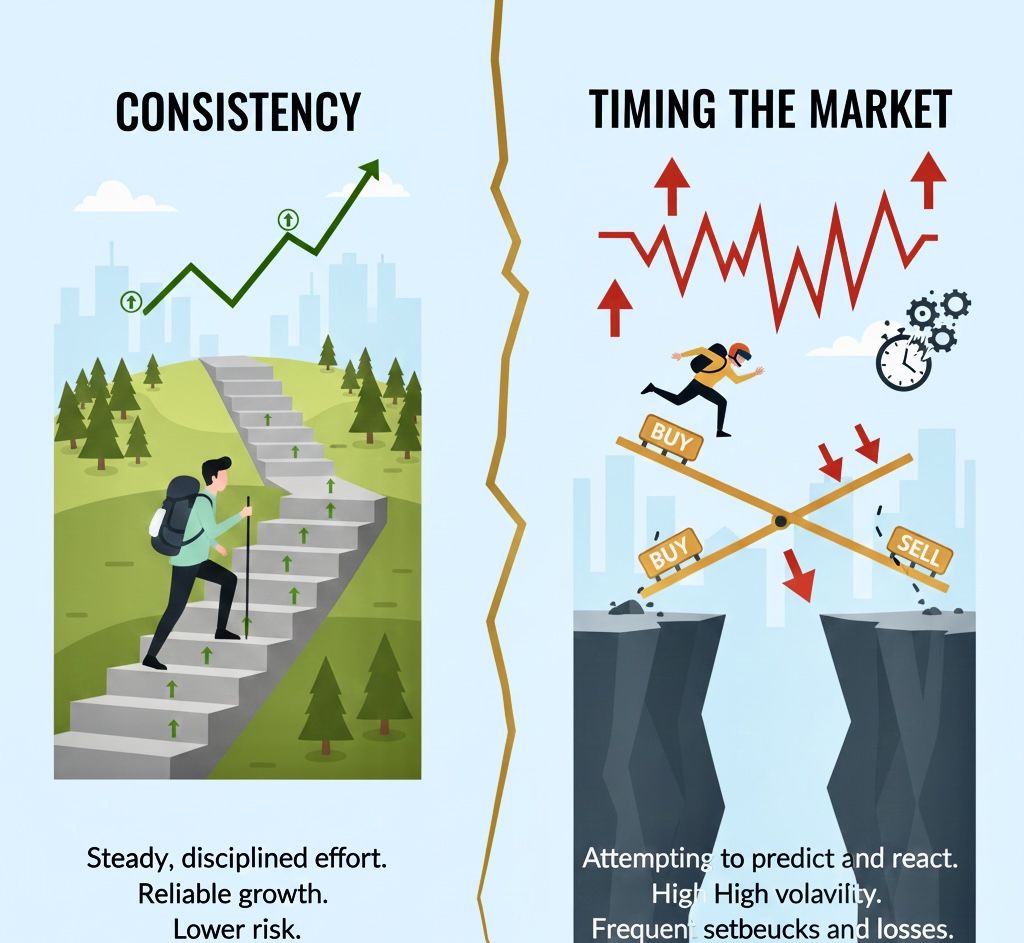
The FTSE rewards something few investors possess in abundance: patience. It does not explode upward, it compounds quietly — and that’s exactly what makes it powerful.
Behavioural endurance
One of the hardest behavioural challenges in investing is staying committed when progress feels slow. Humans crave visible success — the dopamine hit of growth. But financial compounding hides its brilliance behind monotony. The investor who holds a FTSE tracker fund for ten years experiences more boredom than excitement, but that boredom is wealth in disguise.
Legendary investor Charlie Munger once said, “The big money is not in the buying and selling, but in the waiting.” The FTSE 100 proves this truth. It rewards those who can wait without needing constant reassurance.
The dividend engine
Another overlooked strength of the FTSE 100 is its dividends. With an average yield of around 4% over the last decade, investors who reinvested those payouts quietly built a powerful income stream that accelerated compounding. In a world obsessed with growth, the FTSE’s income-driven stability remains a bedrock for long-term investors.
| Period | FTSE 100 Total Return | Approx. Annualised Return |
|---|---|---|
| 2015–2025 | ~70% | ~5.5% p.a. |
The psychology of the “boring win”
Most investors underestimate how emotionally difficult it is to stick with slow compounding. When others boast about quick gains, the disciplined investor feels left behind. Yet this behavioural discomfort is the hidden tax of success — the price you pay for the privilege of consistency.
In the long run, wealth quietly belongs to the patient, not the reactive.
Key takeaway
The FTSE 100 is proof that wealth is not always loud. It grows quietly, often ignored, yet relentlessly — for those willing to stay invested when patience feels like inaction.
Coming tomorrow — Part 5: The Human Side of Investing — Regret, Timing and the Power of Staying In.
This guide is general education, not financial advice. Investments can fall as well as rise. If you are unsure, speak to a regulated financial adviser.