Money Mindset · Economy & Policy
How to Stay Financially and Emotionally Stable During Economic Hardship
By Ogechi Aguma ·

STAYING AFLOAT IN A STORM: HOW TO REMAIN STEADY, EMOTIONALLY BALANCED, AND FINANCIALLY RESILIENT IN A TOUGH GLOBAL ECONOMY
By Shares Investment Lifestyle
“It’s more than money, it’s a lifestyle.”
Economic difficulty is no longer a headline; it is a lived experience in homes, shops and workplaces across the UK and much of the world. For millions of families, the gap between income and essential spending has widened. Prices rise, wages stagnate, bills stack up, and policymakers debate solutions that sometimes feel distant from the day-to-day realities of ordinary people. Yet in the midst of these pressures, individuals and families still have to navigate school uniform costs, rising food bills, childcare expenses, rent or mortgage obligations, and, often, the emotional strain of relatives who rely on them.
The purpose of this article is to speak directly to that lived experience: the human pressure of trying to stay financially stable in an unstable environment. It is a conversation that combines economics with emotion, practical strategy with psychological resilience. It asks the most important question: when the economy is tough, how does one stay steady — mentally, financially, and emotionally?
This is not an attempt to gloss over challenges. The modern global and UK economic landscape has shifted significantly over the last five to ten years. Household budgets now absorb higher costs across energy, transport, food and rent. Even as headline inflation falls in some countries, prices remain substantially higher than they were before the spike. Global shocks, from geopolitical tension to supply-chain instability, continue to shape the cost of living. The consequences ripple through society, affecting consumer confidence, productivity, mental wellbeing, and family life.
Amid these realities, the goal of this article is to outline how individuals can navigate the storm — not by pretending the waves are small, but by learning how to sail with intention, stability and hope.
THE ECONOMY TODAY: A CHANGED LANDSCAPE
To understand personal financial strain, one must first understand the broad environment in which families are operating. Globally, the last five years have been shaped by energy crises, disrupted supply chains, inflationary surges, rising interest rates, and geopolitical uncertainty. These factors have hit the UK particularly hard due to structural vulnerabilities: dependence on energy imports, an ageing housing stock, regional inequality, and a labour market that has experienced significant post-pandemic shifts.
Household costs have risen steadily, from groceries to utilities. Rental inflation has affected both low-income and middle-income families, particularly those living in major UK cities where demand has outpaced supply. Even homeowners with fixed mortgages have struggled when deals expired and they faced higher rates. Parents speak openly about the rising cost of raising children — childcare fees, dietary needs, fuel for school runs, extracurricular activities, and essential equipment.
The long-term effect of inflation has been cumulative. Even when prices stabilise, they rarely return to previous levels. This means households continue to live with the “hangover” of years of price rises, while wages have not risen at the same pace. In essence, the real purchasing power of the average UK household has shrunk.
This reality is not only mathematical — it is emotional. And that emotional strain is often underestimated.
THE EMOTIONAL REALITY OF FINANCIAL PRESSURE
Financial difficulty is not just about budgeting. It is about psychology. The pressure of knowing that your income does not fully meet your needs triggers a state of chronic anxiety. Decisions become energy-draining: whether to delay a bill, cut a child’s activity, reduce food choices, or work extra hours that impact family time.
Many people silently blame themselves, even though the economic environment is the primary cause. Parents often feel guilt when they cannot provide what they believe their children should have. Adults supporting extended family members face emotional conflict between compassion and financial capacity. Money stress also strains marriages and partnerships, contributing to miscommunication, frustration or avoidance behaviours.
These emotional pressures must be acknowledged. They are not signs of weakness — they are natural human responses to sustained uncertainty.
Yet emotional resilience is possible. And it begins with awareness, acceptance and intentional financial behaviour.
HOW TO STAY STEADY WHEN LIFE FEELS UNSTEADY
1. Rebuild Your Emotional Foundation
Financial resilience begins with your internal state. When you are emotionally overwhelmed, financial decisions become reactive rather than strategic.
- Accept the circumstances without self-blame.
- Acknowledge the stress.
- Maintain perspective.
- Practise emotional hygiene.
2. Understand Your Financial Reality Clearly
Financial anxiety often comes from uncertainty — not knowing what is possible or impossible.
- Create a clear monthly cash-flow plan.
- Differentiate between needs and lifestyle preferences.
- Regularly track your numbers.
3. Build and Protect Your Income Stream
- If you have a job, prioritise maintaining it.
- If you are job-seeking, be intentional.
- Explore additional income pathways carefully.
- Develop future skills.
4. Build an Emergency Buffer — No Matter How Small
- Start tiny: £20–£50 a month.
- Automate it if possible.
- Separate the money from your main account.
5. Optimise Your Spending Without Damaging Quality of Life
- Review subscriptions and unused services.
- Reduce energy waste.
- Plan meals strategically.
- Use community resources.
6. Manage Debt Intentionally
- Prioritise high-interest debt.
- Speak to debt advisers early.
- Balance debt repayment with savings.
7. Build a Long-Term Wealth Mindset — Even in Hard Times
- Invest small amounts consistently.
- Think decades, not months.
- Focus on assets, not appearances.
8. Protect Your Mental Wellbeing
- Talk to someone you trust.
- Avoid isolation.
- Seek support early.
- Maintain self-compassion.
9. Focus on What You Can Control — Release What You Cannot
Economic policy — whether fiscal or monetary — is outside individual control. Governments may tighten or loosen policy, raise or cut interest rates, introduce or remove support packages. While these decisions shape the environment we live in, individuals cannot influence their timing or design.
Instead, the focus must shift to what is within reach: clarity, discipline, community, mindset, and daily choices.
A MESSAGE OF HOPE: YOU CAN WEATHER THIS STORM
Life today feels heavier for many. Yet history consistently reminds us that difficult economic periods eventually give way to recovery. What matters most is how individuals navigate the transition — not with perfection, but with resilience.
You do not need to have everything together. You do not need immediate solutions for every bill. You only need to be consistent, disciplined, emotionally present, and willing to take small, steady steps. Over time, these steps compound into stability.
Above all, remember this:
You are not powerless. You are not alone. And the storm will not last forever.
Your life is bigger than the economy. Your future extends beyond today’s difficulty. And your strength, built in this season, will serve you for the rest of your life.
It’s more than money, it’s a lifestyle.
FOLLOW US FOR MORE INSIGHTS
Stay connected with Shares Investment Lifestyle for financial education, mindset tools, and wealth-building strategies.
- Instagram: https://www.instagram.com/lifestyleshares/
- Facebook: https://www.facebook.com/SharesInvestmentLifestyle/
REFERENCES
- Office for National Statistics: UK Household Costs and Inflation Data
- House of Commons Library: Cost of Living Briefing Papers
- Which? Consumer Insights on UK Confidence Levels
- UK Energy and Housing Cost Trends
- Global Economic Outlook Reports 2020–2025
- Bank of England Monetary Policy Updates
- International Monetary Fund: Inflation and Global Trends
FINANCIAL DISCLAIMER
This article is for educational purposes only and does not constitute financial advice. Always conduct your own research or speak to a regulated financial adviser before making investment or financial decisions.
“It’s more than money, it’s a lifestyle.”
This guide is general education, not financial advice. Investments can fall as well as rise. If you are unsure, speak to a regulated financial adviser.
Keep learning
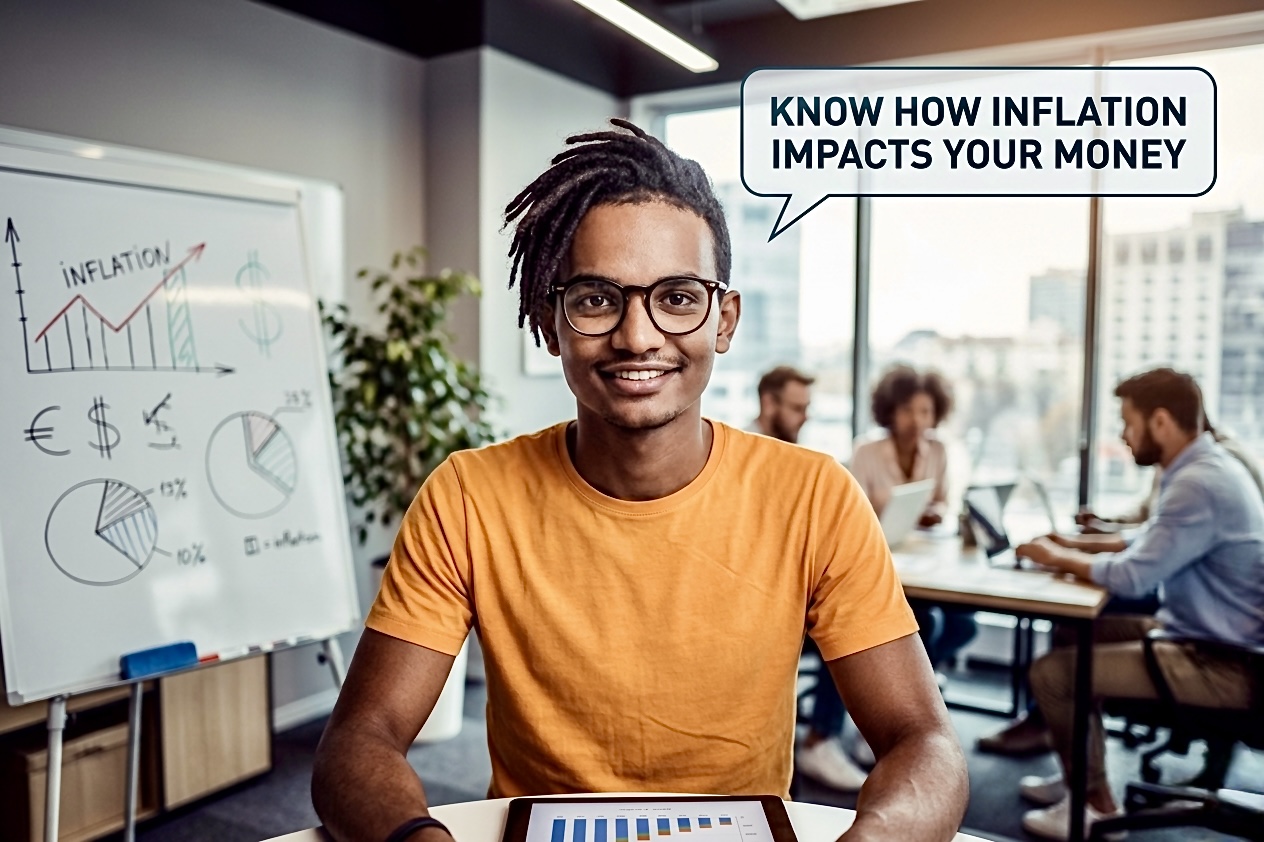
The Quiet Thief: How Inflation Slowly Steals Your Wealth
Two retirees. The same £1.2 million. Two very different outcomes. Inflation quietly changes the value of money over time. This story-driven article explores how it can affect retirement wealth and long-term financial security.

Money Is a Tool: Why Wealth Should Refine You, Not Redefine You
Money is a tool — not a measure of character. As wealth grows, so does responsibility. This story-driven reflection explores why investment success should refine who you are, not redefine you

Give Your Money Time to Grow Before You Give It Away
When you first begin earning, financial expectations can rise quickly. But early capital needs protection to grow. Here’s how to build first and give sustainably later.