Start Investing · Stocks & Markets
Great Tips to Investing in Stocks for Financial Growth
By Ogechi Aguma · · 4 min read

Tips for Making Informed Investment Decisions
Investing in a company's stock can be a rewarding venture, but it requires careful consideration and thorough research. Here are some enhanced tips to guide you before making a move to invest in any company’s stock, with added examples for clarity.
Q1: What They Do? Description of the Company’s Business

Understanding what a company does is fundamental. Surprisingly, many investors overlook this step and invest based on hype without knowing the company's core business. For example, if you are considering investing in Tesla, you should know that it is primarily an electric vehicle manufacturer, but it also engages in energy storage and solar panel manufacturing. Knowing the details of what the company does helps you make informed decisions.
Q2: Business model: Old / Present / Future?

Research the company's business model. This involves understanding how the company creates, delivers, and captures value. For instance, Netflix started as a DVD rental service but successfully transitioned to a streaming service, adapting its business model to changing consumer preferences. Assess whether the business model is robust and adaptable to future needs or if it is outdated. Consider the company's profitability, competitive nature, and the sustainability of its products and services.
Q3: Fundamentals: Weak or Strong?

Fundamentals are key indicators of a company's financial health. These include metrics like Return on Investment (ROI), Price to Earnings (P/E) Ratio, Dividend Yield, Market Capitalization, Profit Margin, and Gross Margin. For example, Apple has consistently shown strong fundamentals with high profit margins and a significant market cap, indicating a strong business model and financial health.
Q4: Finances: Do They Have Money?

Analyze the company's financial statements to understand its financial health. Key documents include the Income Statement, Balance Sheet, and Cash Flow Statement. For example, examining Amazon's financial statements reveals its substantial revenue growth and cash flow, which are indicators of its financial strength and ability to invest in future growth.
Q5: Price Action: Past / Present / Future Projection

Examine the stock's price history to understand its performance over time. Look at the highs and lows, and investigate the reasons behind significant price movements. For instance, the stock price of Zoom Video Communications surged during the COVID-19 pandemic due to increased demand for remote communication tools. This analysis helps you gauge the stock's volatility and investor sentiment.
Q6: Technical Analysis: Use of Indicators to Judge

Technical indicators are tools used to analyze or forecast stock performance. Common indicators include Moving Average Convergence and Divergence (MACD), Relative Strength Index (RSI), Pivot Points, and Volume. For example, if the RSI of a stock is above 70, it might indicate that the stock is overbought and could be due for a price correction.
Q7: Sentiment - Analysts: What’s the Word on the Street?

Professional analysts, news sites, and social media provide valuable insights into a company's reputation and market perception. For example, positive analyst ratings and social media buzz about a new product launch can boost investor confidence in a company like Apple. Monitor news about management changes, product launches, earnings reports, mergers, and social media discussions to gauge market sentiment.
Q8:Risk: Low/ Moderate/ High?

Assess the risk associated with investing in the company. Risk is the probability of failure multiplied by the consequence of failure. For example, investing in a startup might be considered high risk due to its unproven business model and financial instability, whereas investing in a well-established company like Microsoft might be considered lower risk. Evaluate the company's fundamentals, finances, and market conditions to determine if the investment is low, moderate, or high risk.
Q9: Your Investment Decision: Short/ Medium /Long Term

Decide on your investment horizon. Are you investing for the short, medium, or long term? For example, if you are looking for quick gains, you might invest in a volatile stock with high short-term potential. If you are planning for retirement, you might prefer stable, long-term investments like blue-chip stocks. Having a clear goal helps minimize emotional investing and keeps your strategy focused.
Q10: Be Bold: Make the Move

Once you have done your research and are confident in your decision, take the plunge. Invest and monitor your portfolio regularly. Adjust your positions as needed based on performance and market conditions. For example, if you notice that a stock in your portfolio is consistently underperforming, you might decide to sell it and reinvest in a more promising stock.
Subscribe and Watch My YouTube Webinar
- Part 1: Detailed explanation of these points.
- Part 2: Live demonstration analyzing companies using these tips.
- Part 3: Q&A session during the webinar.
Subscribe to our website for updates.
Click on Log in (Top right).
Follow Us
Recommended online Brokers
- IG. Check their fees.
- Hargreaves and Lansdown. Check their fees.
- Degiro - Especially for those in Europe.
- Bamboo App - Especially for those in Africa.
Counsel
- Buy stocks when they are on sale (during price dips).
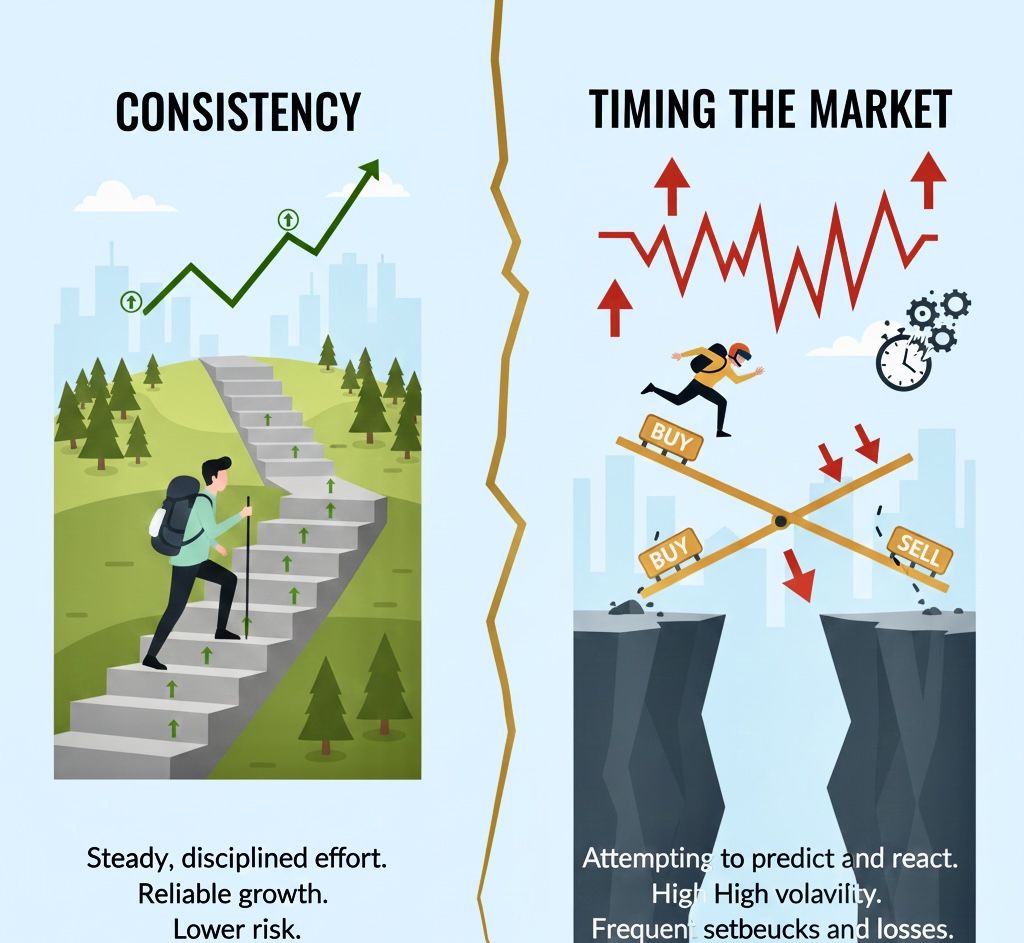
- Drip feed your investments to manage volatility and fees.
- Use Investopedia to understand financial terms and definitions.
Disclaimer
Note: Shares and Investment Lifestyle website is for informational purposes only. Please conduct your own research. Any investment decision is your responsibility. You may get back more or less capital than you invest.
This guide is general education, not financial advice. Investments can fall as well as rise. If you are unsure, speak to a regulated financial adviser.