Building Your Emergency Fund: The First Step to Financial Stability
By Ogechi Aguma ·
Building Your Emergency Fund: The First Step to Financial Stability
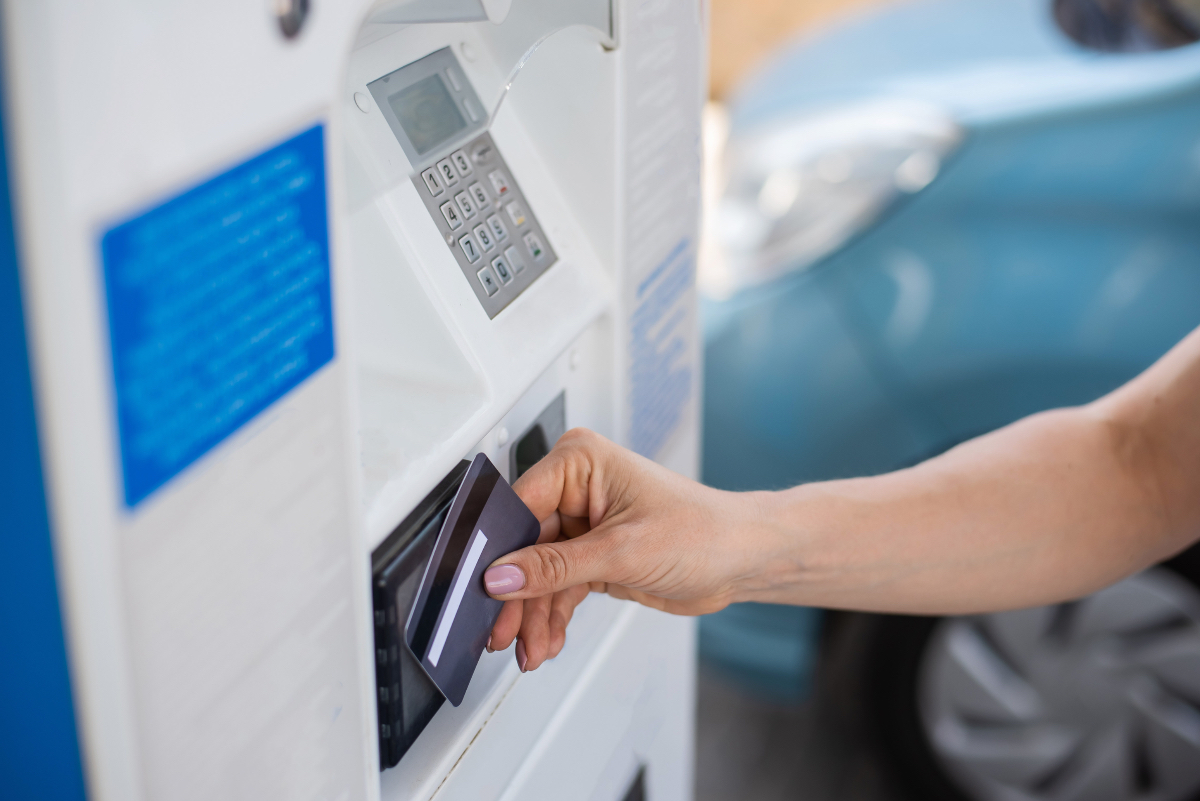
Imagine standing at a cash machine, staring at the balance, realising that one unexpected bill or job loss could unravel everything. The feeling of uncertainty, fear, and helplessness is real for many people — yet avoidable. That moment captures why an emergency fund isn’t just a financial tool; it’s an emotional shield.
Life is unpredictable. Jobs change, cars break down, family members fall ill, and unexpected expenses surface when we least expect them. Without a safety buffer, the smallest crisis can spiral into debt, stress, and sleepless nights. But with an emergency fund, you gain something far greater than money — peace of mind and control over life’s surprises.
Why an Emergency Fund Is Essential
It’s easy to underestimate risk when life feels stable. Yet, most financial crises don’t announce themselves — they arrive uninvited. An emergency fund shields you from those moments, ensuring that you don’t need to rely on credit cards or loans when life takes a turn. It lets you make calm, deliberate choices instead of desperate ones.
Starting Out (Earning £30,000–£40,000 a Year)
When you’re early in your career, it’s natural to want to reward yourself — a new car, a better phone, maybe a holiday. But the true reward is freedom. Building your emergency fund early sets the tone for your financial life.
- Save your first £1,000 — a quick-access safety net for small emergencies.
- Automate savings (£150–£250/month right after payday).
- Use a dedicated savings account or Cash ISA.
- Clear high-interest debt while maintaining your starter fund.
- As your income grows, save at least 50% of each raise until you reach 3 months of expenses.
For Established Professionals (£50,000+ with a Family)
For professionals juggling a mortgage, children, and family responsibilities, the stakes are higher — and so is the need for resilience. Financial shocks don’t just affect you; they ripple through your household. Here’s how to build structure into your safety net:
- Calculate essentials: Include mortgage, food, transport, utilities, childcare.
- Target six months of expenses: Usually £15,000–£30,000 for most families.
- Build in tiers:
Tier 1: £3,000 — instant access (for true emergencies).
Tier 2: £5,000–£10,000 — high-interest savings account.
Tier 3: Remaining — low-risk funds (money market or short-term bonds). - Pair with insurance: Add income protection and life cover for stability.
- Automate your savings: £500–£800 monthly transfers build consistency.
If You’re in Debt
Debt and savings can coexist — in balance. Start with £1,000 in a separate account as your ‘stopgap’ fund. Then focus on repaying credit cards and loans. Once those are reduced, redirect the same repayment amount to grow your emergency fund. The discipline remains; only the destination changes.
Action Plan
- Open a dedicated savings account or Cash ISA.
- Set your goal: £1,000 → 3 months (single) → 6 months (family).
- Automate savings each payday — even £150/month matters.
- Review yearly and adjust for inflation or lifestyle changes.
- Only use the fund for genuine emergencies, then replenish quickly.
Lessons Learned
Those with an emergency fund live with a quiet confidence — knowing they can handle a broken boiler, a car repair, or even a job loss. Those without it often find themselves borrowing at the worst possible time, deepening stress and debt. One small decision — to start saving — can transform that story.
Financial Disclaimer
This article is for informational purposes only and does not constitute financial advice. Always consult a qualified financial adviser before making financial decisions.
© 2025 Shares Investment Lifestyle. It’s more than money, it’s a lifestyle™
This guide is general education, not financial advice. Investments can fall as well as rise. If you are unsure, speak to a regulated financial adviser.